DOG JOBS TRAINING – SEIZURE DOGS
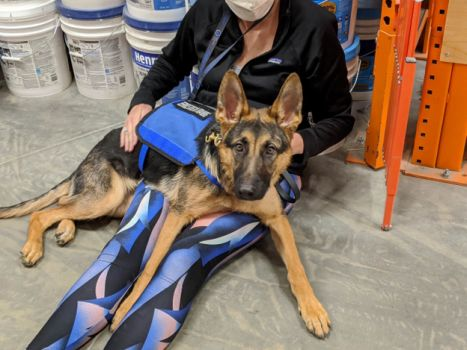
Training a seizure alert dog is one of the most specialised areas of assistance dog work, and researchers are still learning exactly why some dogs can detect an approaching seizure. Unlike guide dogs or detection dogs, a dog’s natural ability to recognise the changes that occur before a seizure cannot simply be taught—it appears that only some dogs possess this instinct.
Training usually begins by selecting calm, confident, highly trainable dogs with a strong desire to work closely with people. Trainers carefully observe whether a dog naturally notices or reacts to subtle changes in a person’s behaviour or scent before a seizure. Dogs that consistently show this ability may then enter specialist training.
Once a dog begins recognising these changes, trainers reinforce the behaviour using positive rewards such as treats, praise or play. The dog is taught to give a clear, reliable alert—perhaps by nudging its handler, pawing at their leg, or sitting directly in front of them. Each correct alert is rewarded, strengthening the association between detecting the pre-seizure cues and performing the alert.
Many seizure assistance dogs also learn additional tasks, including staying beside their handler during a seizure, retrieving a phone or medication, activating an emergency alarm, or fetching another person for help.
Because every person with epilepsy experiences seizures differently, training is highly individualised. It can take up to two years to develop a dependable seizure assistance dog, and even then, not every dog will become a reliable seizure alert dog. The result, however, can be a life-changing partnership that provides greater safety, independence and peace of mind.